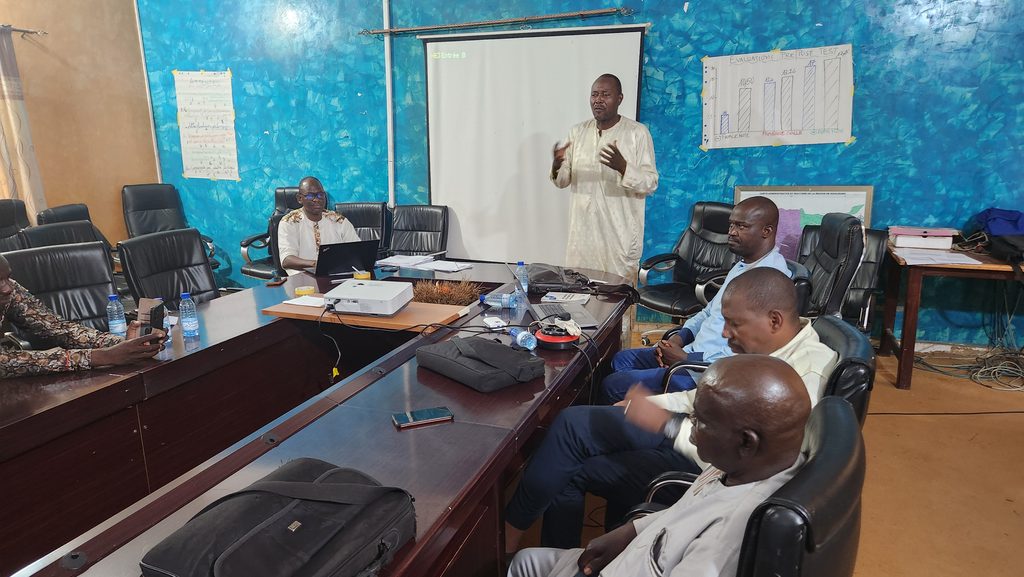
The FIER II project strengthens the capacity of the elected and technical members of the Regional Monitoring and Evaluation Board of the SDRFPTE
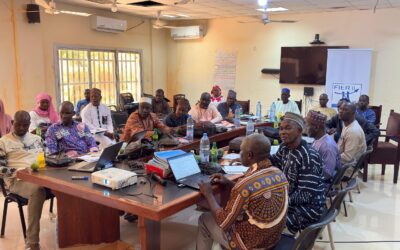
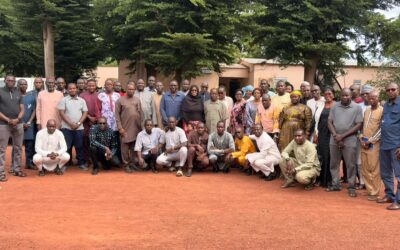
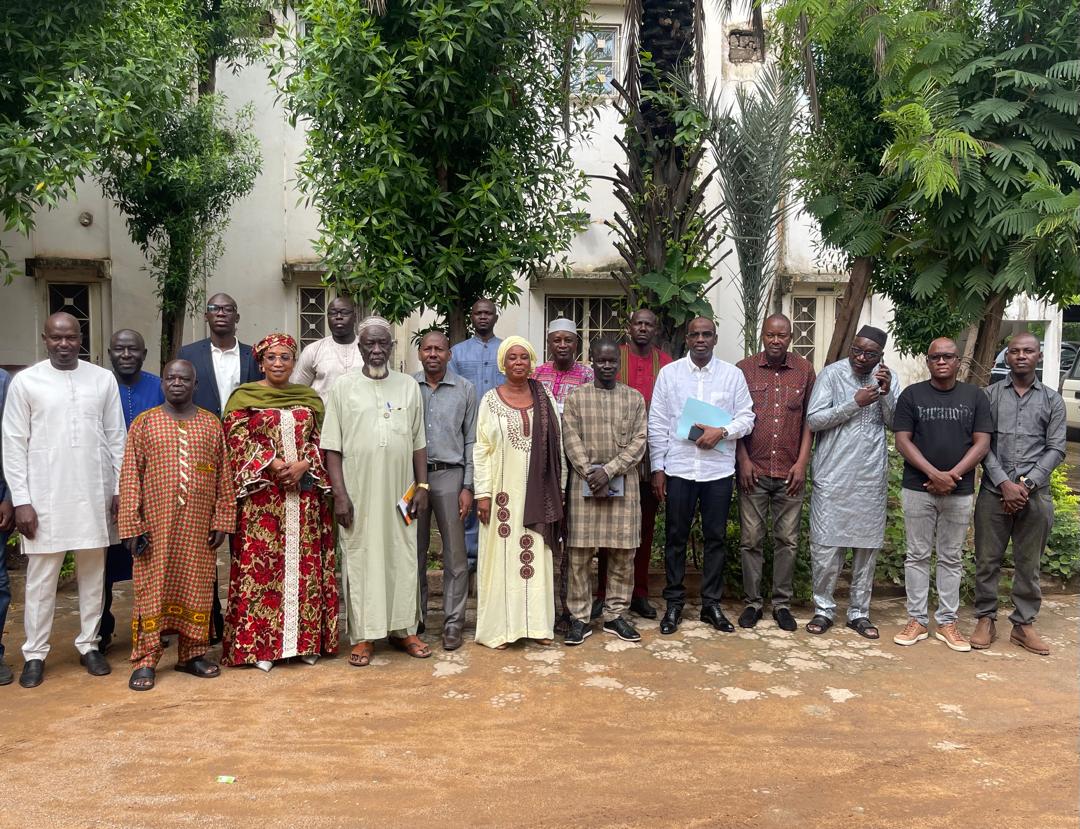
For five days, from 21 to 26 September 2026, the elected and technical representatives of the Koulikoro Regional Council participated in a capacity-building session dedicated to the piloting, implementation and monitoring and evaluation of the Regional Master Plan for Vocational and Technical Training for Employment (SDRFPTE) 2026-2030. Organised with the support of the Vocational Training, Integration and Support Project for the Entrepreneurship of Young Rurals (FIER II), this session aimed at providing regional actors with operational tools necessary for a better conduct of the future scheme.
The training focused on the territorial diagnosis, skills needs analysis, piloting, funding and monitoring and evaluation of the FSDS. In particular, the participants worked on the analysis of the economic realities of the territories, the identification of the skills necessary for the development of the sectors and the mapping of the stakeholders according to the approach « power-interest ». Case studies, particularly in the area of agro-processing, have brought vocational training planning closer to the needs of economic and social actors.
The pilotage and funding component addressed the division of functions between strategic, technical and operational levels, the programming of pilotage bodies, the articulation between physical and financial programming and the development of a multi-source funding plan. Participants also worked on alternation agreements, risk management, communication and accountability. The discussions highlighted the need to clarify the respective missions of C2R and CPMR in order to strengthen coordination between these two entities.
Particular attention was paid to monitoring and evaluation, with the learning of the principles of definition of indicators, information on indicator sheets, construction of monitoring matrices and selection of data sources. Excel was presented as a consolidation tool, while Kobo and ODK were identified for field data collection. The practical exercises included monitoring the integration rate at six months, data quality control and the construction of a quarterly scoreboard.
At the end of the session, the work highlighted the importance of concerted governance, clarification of responsibilities and the availability of reliable data to inform decision-making. Building the capacity of elected officials and technicians is thus an important achievement for the implementation of the future DFPS. The establishment of key indicators, evaluation tools and regular review mechanisms should contribute to the monitoring of performance and the adjustment of training and vocational integration measures.
Ultimately, the session strengthened the operational knowledge and capacity of regional actors in planning, steering and monitoring and evaluation. It also confirmed that the quality of data, clarification of roles and the regular use of monitoring results are essential conditions for the effective management of the regional vocational training and employment system and for the implementation of the SDRFPTE 2026-2030.