Workshop on the animation guide for targeting and guidance operators in the Kayes and Koulikoro regions
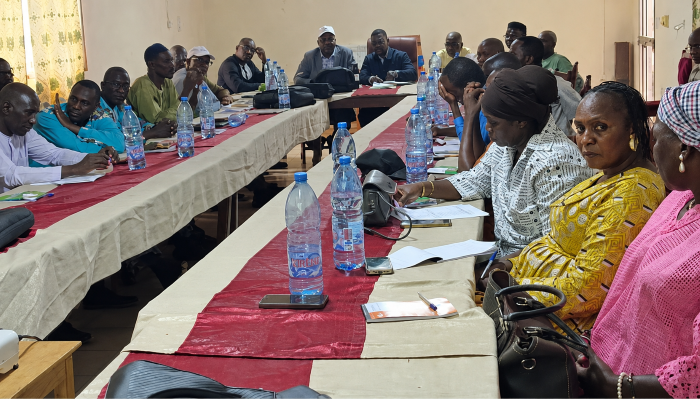
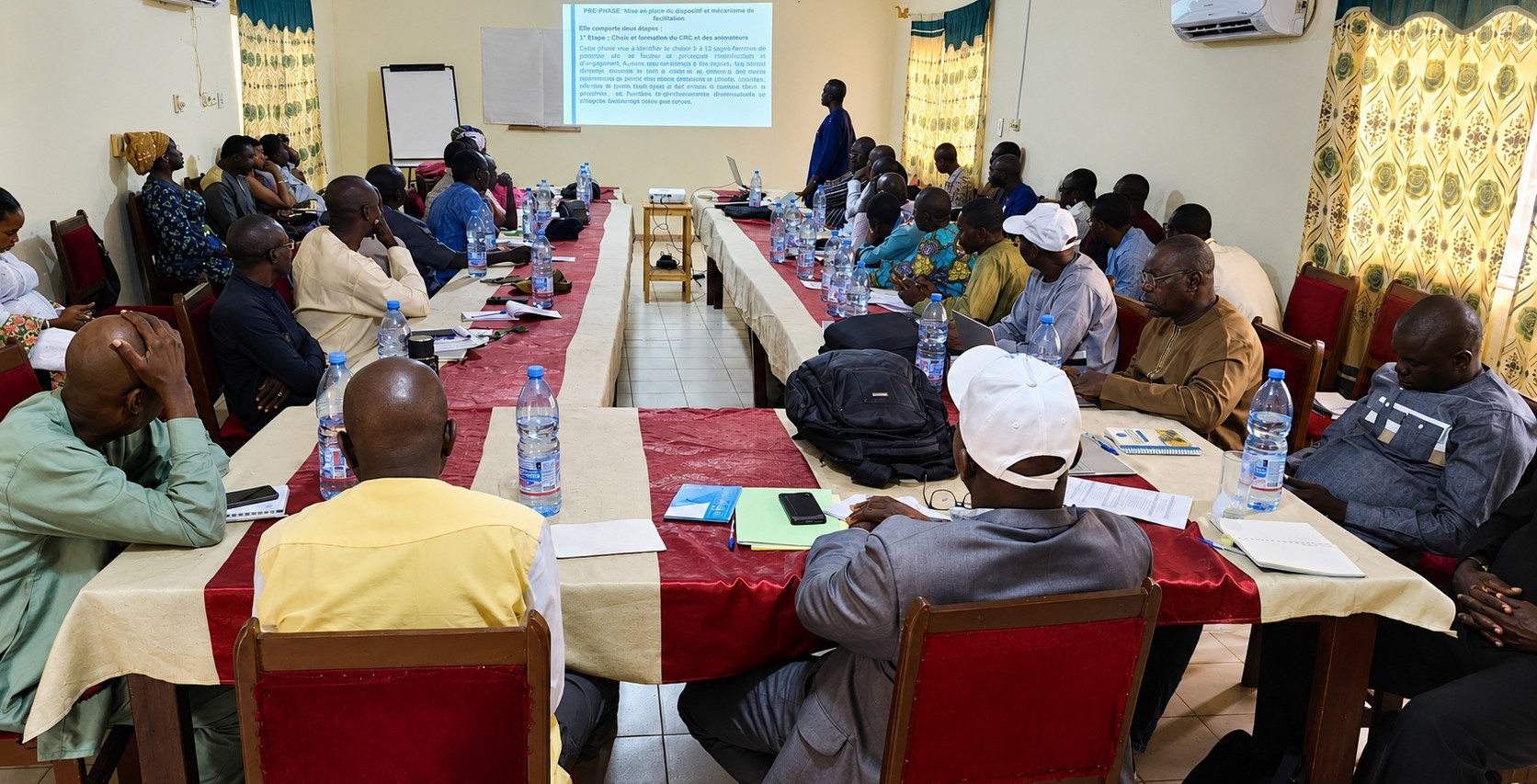
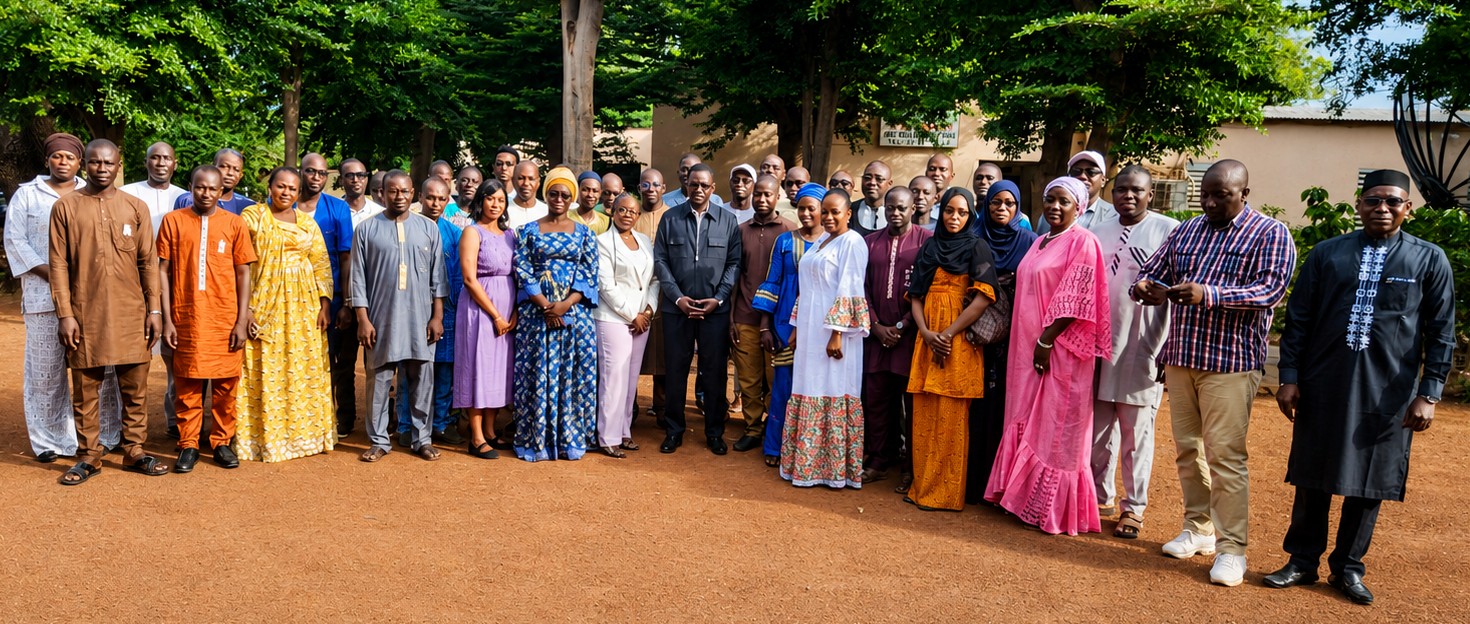
On August 17, 2026, the Youth Training, Integration and Entrepreneurship Project - FIER II - launched a five-day training workshop for counsellors and facilitators of targeting and guidance operators (OCO). Chaired by the National Coordinator of Project FIER II, the session aims to strengthen the capacities of the actors responsible for identifying and guiding rural youth with economic projects for financing. This first session concerns the intervention areas of the Regional Coordination Units -UCR- of Kayes and Koulikoro.
The workshop brings together NGO project partners, including NGOs Advice and Support for Base Education (CAEB)responsible for activities in the Koulikoro region and the NGO STOP SAHEL, intervening in the Kayes region. The teams of the two Regional Coordination Units and several officials and specialists from the National Coordination Unit (NCU) of the FIER II Project also participate in the training.
This training is part of the process of operational preparation for targeting and guidance of rural youth. It aims to harmonize field interventions and facilitate the identification and referral of young people to appropriate agricultural and non-agricultural activities. FIER II developed, with the support of the Office of Assistance for Participatory Development (CADP), an animation methodological guide accompanied by several operational tools. In this way, the workshop should enable counsellors and facilitators to better appropriate this guide before the start of activities in the villages.
The main objective of the training is to strengthen the capacity of OCO advisors and facilitators on the targeting and guidance module so that they can effectively identify the different categories of youth beneficiaries of the Project. More specifically, participants must master the different phases and stages of the methodological guide, know the targets of FIER II, appropriate animation techniques and learn how to use the various tools for targeting and guidance correctly.
The preparation of information and awareness-raising sessions in villages is given an important place. In particular, counsellors should be able to establish initial contacts with municipalities, village leaders and young people, to present the project clearly and to organise animation sessions on several themes. These include gender, nutrition and the targeting and orientation of young people according to the different training and economic integration pathways proposed by FIER II.
Targeting is indeed a decisive step in the FIER II accompanying arrangements. Its quality depends on the ability of the Project to identify young people corresponding to the different categories of beneficiaries and to direct them towards courses adapted to their age, level of training, qualifications and professional projects. Information and awareness-raising campaigns should thus enable rural youth to better understand the opportunities offered by the Project and to express their ideas for projects through the tools provided for this purpose.
On the educational front, training focuses on a participatory approach based on that developed by the International Labour Organization (ILO). It combines plenary presentations, group work, various animation techniques and practical exercises to use the guide and its tools. This approach will be complemented by post-training support or coaching by the RCUs in order to encourage the practical application of the acquis by the advisers in their intervention areas.
Inclusion is also a central issue of the scheme. FIER II targets rural youth 15 to 40 years in search of a professional situation and plans to accompany 60,000 rural youth through vocational training and/or support for economic integration into niches. The project's strategy also includes the participation of 40% of girls and womenThis justifies special attention to gender dimensions and inclusion in targeting and guidance activities.
During the opening of the workshop, the FIER II National Coordinator stressed the strategic nature of this stage for the success of the project. He invited participants to be fully aware of their responsibility in identifying and guiding young people. He also commended NGO partners for their collaboration and stressed that the effectiveness of future interventions will depend largely on the ownership of tools and methods by field teams.
Through this training, FIER II therefore intends to consolidate the first link in the accompanying journey of rural young people, from their identification to their economic integration. The professionalisation of targeting and guidance should thus help to ensure more relevant, inclusive and responsive support for young people's aspirations and economic opportunities in their territories. The session lasts five days. It will be followed by that for the Sego and Sikasso RCUs and their targeting and guidance operators.