
Mission to introduce the targeting and guidance operator to the authorities and strategic partners of the project.
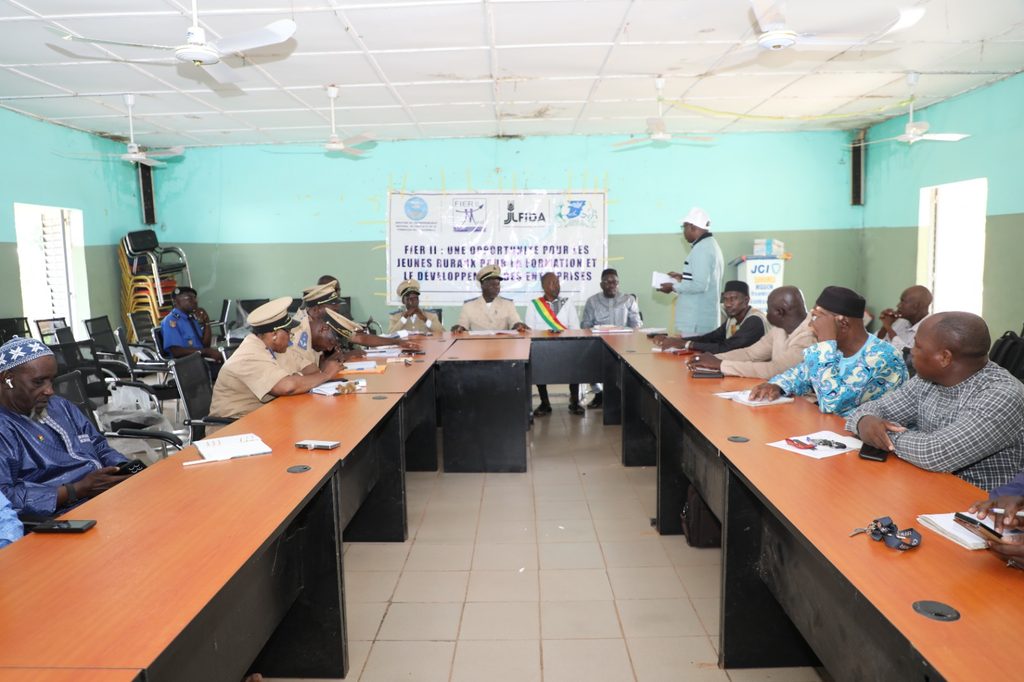
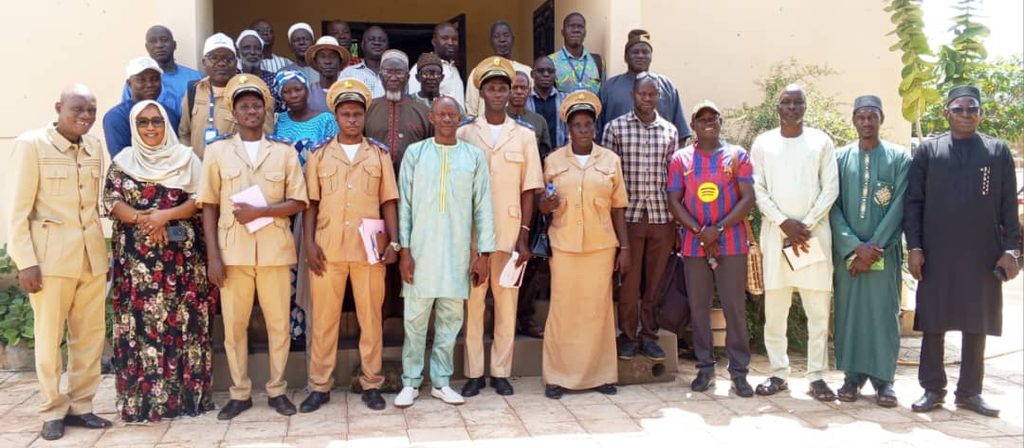
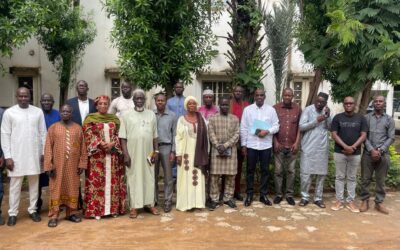
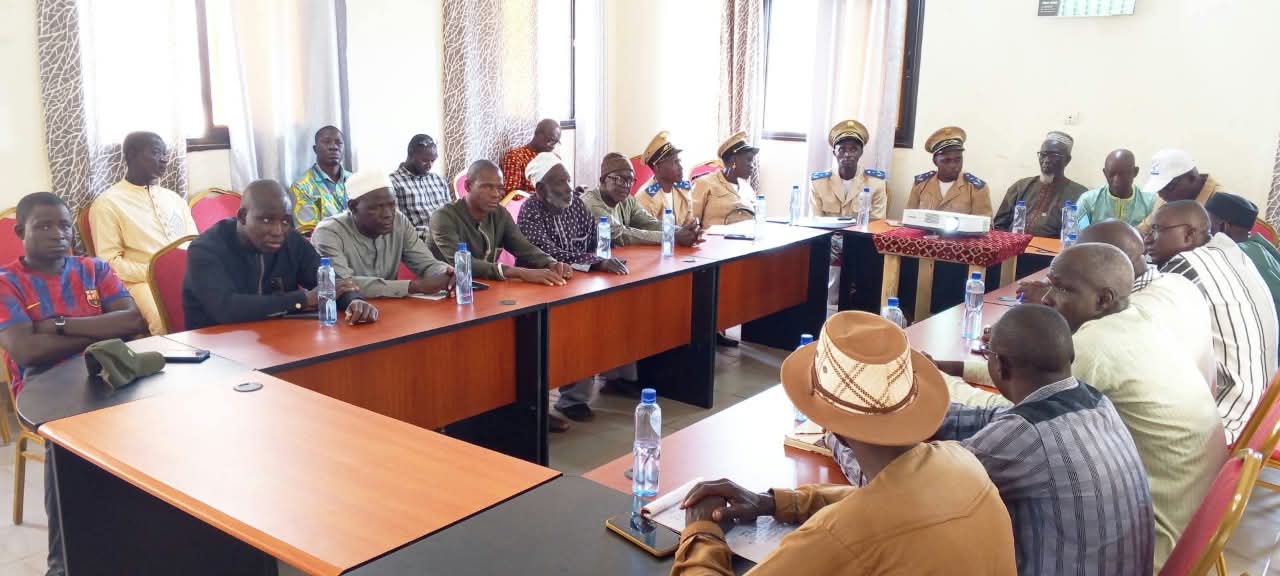
The Kulikoro Regional Coordination Unit of the FIER II project officially presented the NGO CAEB, targeting and guidance operator (OCO), to the authorities and strategic actors of Kolokani, Kangaba and Banamba on 6, 7 and 9 October 2026. This mission prepares the identification and orientation of rural youth towards courses of training and economic integration, with a requirement at the heart of the exchanges: transparency in selection, inclusion of vulnerable young people and involvement of local actors.
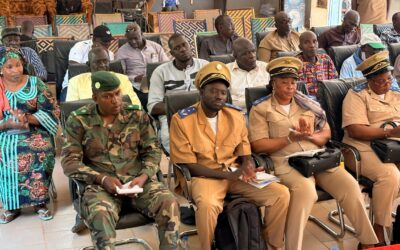
Prior to courtesy visits to the Prefects, the three workshops brought together administrative and municipal authorities, technical services, professional organizations and representatives of young people, women and persons with disabilities. The challenge was to publicize the mandate of the Targeting and Guidance Operator (OCO), to facilitate its access to communities and to prepare for community collaboration to support future beneficiaries.
The mission of CAEB NGO will be to inform people, support village diagnosis, identify young people and guide them according to their professional profiles and aspirations. The discussions stressed the importance of accessible information on eligibility criteria and a selection sheltered from favouritism. This formal introduction prepares field interventions, which will be launched soon.
To Kolokani, 6 OctoberThe workshop chaired by the Second Deputy to the Prefect highlighted expectations for the future of the files filed in the first phase of FIER. The place of mayors and former community relays has also fed the exchanges, with a need for clarification of responsibilities in informing and mobilizing young people.
To Kangaba, 7 OctoberUnder the chairmanship of the First Deputy to the Prefect, participants particularly stressed the prevention of nepotism and the involvement of technical services in the process. The credit conditions of decentralized financial systems, the financing of income-generating activities and rural microenterprises were also major concerns.
To Banamba, 9 Octoberinclusion has been central. The first deputy to the Prefect recalled the requirement for objective and transparent targeting. The exchanges included courses (including vocational training) for young people aged 15-17, support for persons with disabilities and non-literate young people, and the eligibility of former beneficiaries. The proper use of funds and reimbursement of appropriations were also discussed.
These consultations highlighted several priorities for the follow-up: disseminating the selection criteria, clarifying the roles of local actors, clarifying the processing of old applications and better explaining the funding modalities. Sharing the response schedule should also allow communities to prepare for future activities.
It was noted that the mission extended the training of OCO advisers, held in Fana from 17 to 21 August 2026, and was preparing for their intervention with village communities.