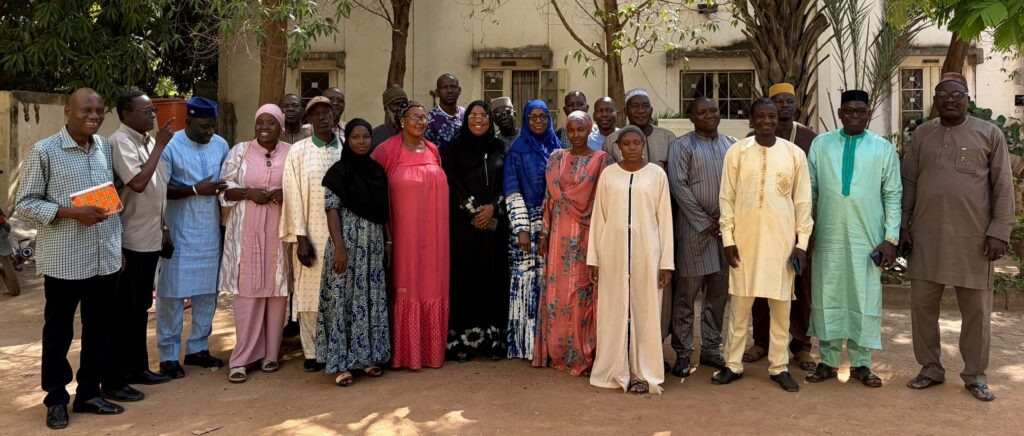
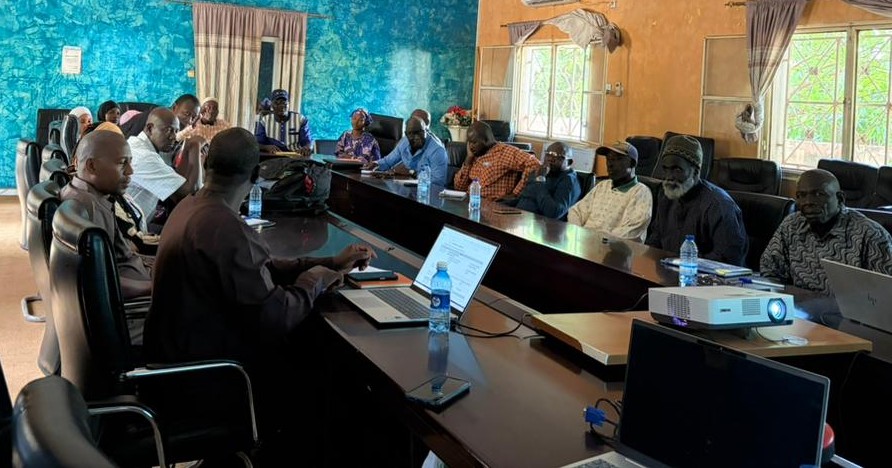
The Second Vocational Training, Integration and Support Project for Young Rural Entrepreneurship (FIER II) has reached an important stage in the integration of gender issues and protection. From 16 to 18 April, a strategic training session was held in the conference room of the Koulikoro Regional Council, with project staff and partners focusing on gender issues, gender-based violence (GBV), sexual exploitation and abuse/sexual harassment (EAS/HS) and prevention and care mechanisms.
This initiative is part of the commitment of the Government of Mali and the International Fund for Agricultural Development (IFAD) to ensure an inclusive, equitable and secure implementation of project interventions.
The purpose of the training was to harmonize the knowledge of the actors on the basic concepts of gender, to deepen the understanding of GBV including cases of exploitation, abuse, sexual harassment (EAS/HS) and to facilitate the appropriation of the gender strategy of the FIER II project for the period 2025-2030. It also helped to equip participants on prevention, reporting and case management mechanisms.
Through a participatory approach, the work alternated theoretical presentations, group work and plenary discussions. The participants analysed the various forms of sexual, physical, economic and psychological violence and their structural causes. These generally result from unequal power and discriminatory social norms. The discussions also highlighted the extent of the consequences of GBVs, both on the physical and mental health of survivors and on social cohesion and economic development.
Particular emphasis has been placed on the inclusion of young people with disabilities, a target audience of the project often facing barriers to access to training services and multiple forms of stigmatization. Participants developed concrete ways to improve their access to infrastructure and promote their socio-economic integration.
Among the major results of the session is the appropriation of the Complaints Management Mechanism (PMM), a tool structuring the governance framework of the project. Designed as a non-judicial mechanism, the MGP allows complaints related to the implementation of the project to be collected and processed within a set time frame. It distinguishes non-sensitive, operational complaints from sensitive complaints related to, inter alia, BGV, EAS and sexual harassment, which require confidential and survivor-centred treatment.
Organised at the municipal and national level, this system provides for clear procedures from receipt and analysis of complaints to resolution or transfer to competent bodies. It is based on fundamental principles such as confidentiality, non-discrimination, transparency and stakeholder participation, while ensuring that victims are referred to specialized medical, psychosocial and legal services.
At the end of the work, participants reaffirmed their commitment to mainstream gender perspectives in their interventions and to promote zero tolerance of violence and abuse. A number of recommendations were made, including the rapid operationalization of communal complaints committees, the adaptation of training centres to the needs of persons with disabilities and the wider dissemination of codes of conduct relating to EAS/HS.
Through this training, the FIER II project confirms its position as a tool for social transformation, placing protection of beneficiaries, equal opportunities and inclusion at the heart of its interventions in rural areas of Mali. Its interventions target 60,000 people in rural areas, 40% of them young women and 2% young people with disabilities.