23 development sites are available in the Kayes region for rural youth.
This is reflected in the validation workshop of the sites planned for the installation of rural youth by FIER II in the productive sectors. Communities in the areas hosting the various sites have already approved their future development.
In total, the regional workshop validated 8 pothole sites, 9 agricultural sites, 4 rice farms, 5 for maraching and 6 fish farms.
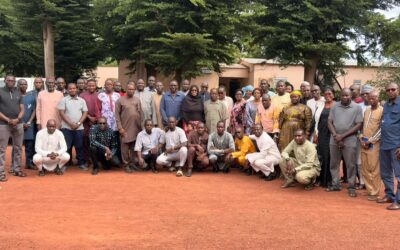
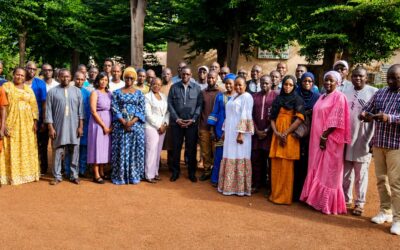
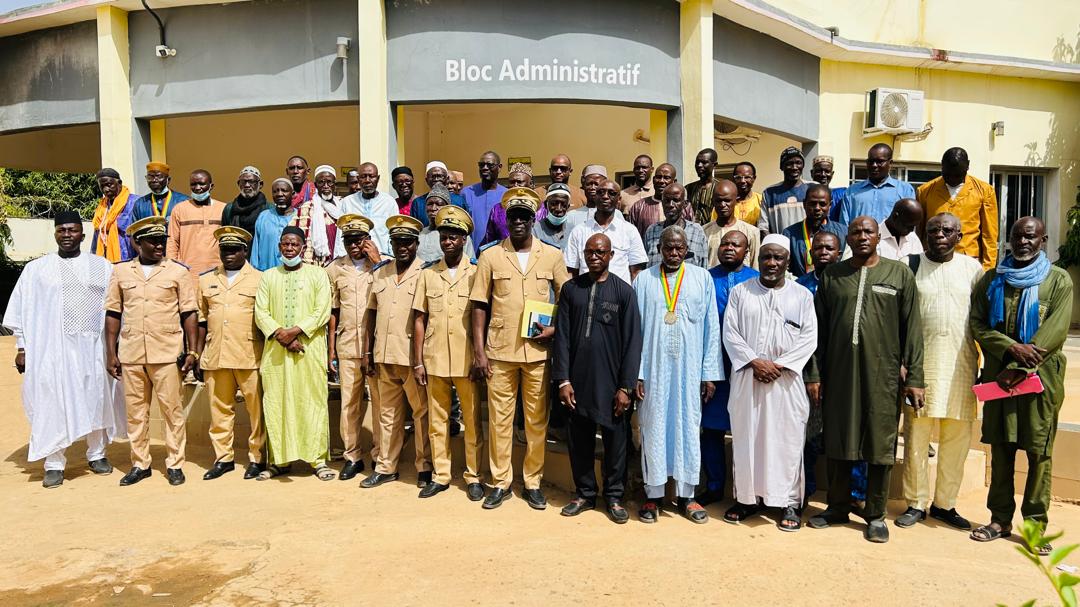
The meeting was held on Tuesday, 02 June 2026 in the ELHAJ Oumar Samba DIALLO Conference Room of the Kayes Regional Council.
The opening ceremony was chaired by the Adviser for Economic and Financial Affairs (CAEF), Mr Adama Maïga, in the presence of the second vice-president of the Regional Council, the sub-prefects of several affected localities, as well as numerous administrative, technical and project partners.
This meeting brought together all the actors involved in the development of agricultural, animal and fish sectors in order to examine and validate the sites chosen for the implementation of future aggregate infrastructures. The discussions also focused on the criteria for selecting sites and the mechanisms to ensure their availability for the benefit of young beneficiaries.
Through this participatory approach, the FIER II project reaffirms its commitment to involve all stakeholders in decision-making and to create the conditions for the economic integration and entrepreneurship of rural youth.
The meeting is part of achieving the basic objectives of the first component of the project, which is: « Making the institutional and socio-economic environment conducive to promoting entrepreneurship and employment for rural youth » through the « Implementation of resilient aggregate economic infrastructure for young people in sustainable operation and management ».
Thus, the « The implementation of resilient aggregative production, processing and marketing infrastructures for rural youth will facilitate their integration into agricultural and non-agricultural value chains at the level of production areas.